
How to Protect Your Skin from Pollution and Free Radicals

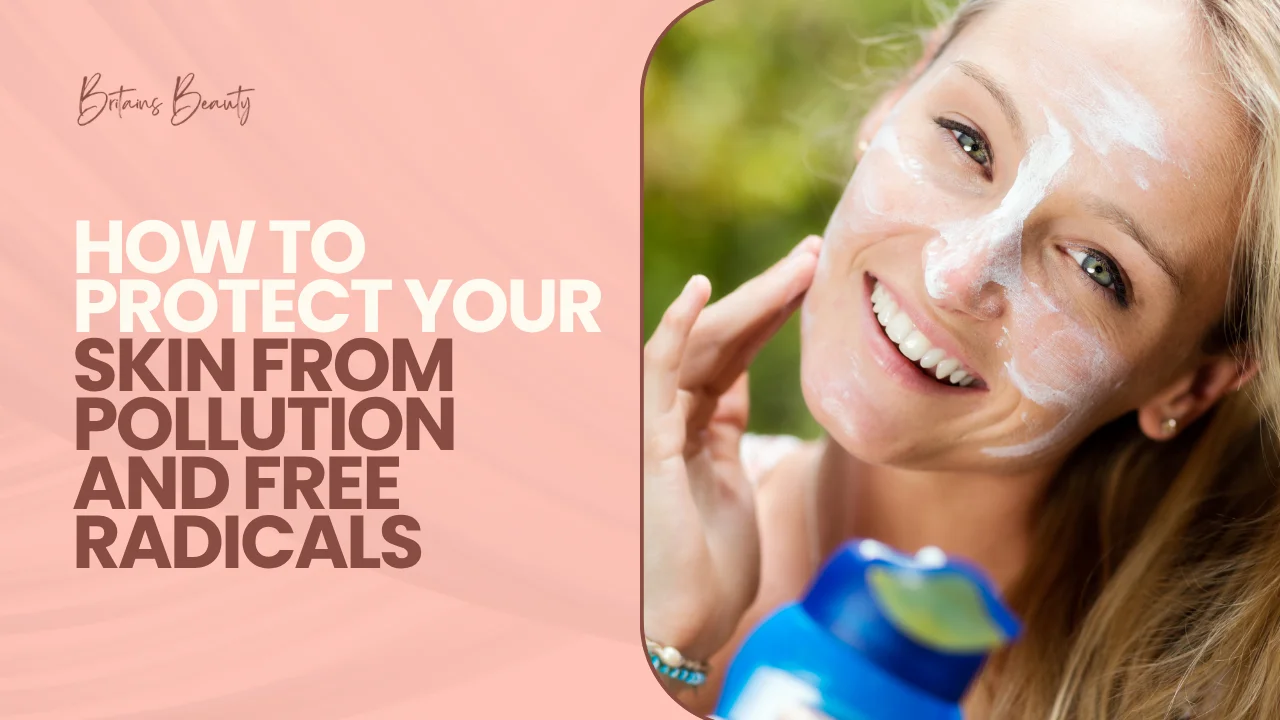
Your skin faces more than just temperature changes and poor sleep. Daily, it encounters pollution from traffic, particles in the air, sunlight, smoke, and dust. In busy UK towns and cities, these exposures are common, whether you commute through London, walk along bustling roads, work outside, or move between indoor and outdoor spaces.
You don’t need a complex “anti-pollution” routine with many products. Protecting your skin from damage is mainly about mastering the basics: cleansing well without over-drying, using suitable antioxidants, staying hydrated, supporting your skin barrier, and shielding your skin from sunlight.
Research shows that air pollution can cause oxidative stress, inflammation, and damage to the skin barrier, contributing to premature ageing.
So, what should you have on your bathroom shelf? Protecting your skin from daily pollution means understanding free radicals, selecting effective skincare steps, and creating a simple routine with the right products.
Your Skin Has an Environmental Day Job
Your skin is the body’s outer layer and naturally comes into contact with pollution from the environment. Common pollutants include dust, traffic fumes, ozone, cigarette smoke, and certain chemicals in the air. Studies show that these pollutants can cause oxidative stress, inflammation, and harm to the skin’s barrier.
This is why skincare to prevent environmental damage should focus on the skin barrier, not just on visible issues like dullness. A strong barrier helps retain moisture and keeps the skin comfortable. If the barrier is weak, skin may feel dry, tight, rough, or easily irritated.
However, skincare for pollution isn’t about creating a barrier that blocks everything. No product can completely stop pollution from touching your skin. The aim is to minimise unnecessary exposure, gently remove dirt, and support your skin’s natural defences.
This distinction is important. A smart pollution-focused routine works with your skin instead of scrubbing or exfoliating too harshly to remove every trace of city life.
How Pollution Affects Your Skin
To see how pollution impacts your skin, it’s important to know about oxidative stress. Your body creates reactive molecules, like reactive oxygen species, during normal processes. It also has its own antioxidants to keep these reactive compounds in check.
Environmental factors can raise oxidative stress when there are too many reactive species for your skin to handle. Studies on particulate matter show that it can cause reactive oxygen species, inflammation, and barrier damage.
Researchers have looked into how pollution links to early signs of skin ageing, changes in pigmentation, and inflammatory skin issues. However, just one polluted trip doesn’t immediately cause wrinkles or dark spots. Skin ageing is complex and also depends on genetics, sun exposure, lifestyle, skincare, and other factors.
Pollution is a part of what dermatologists call extrinsic or environmental skin ageing. The best way to protect your skin from damage is through regular, gentle care instead of harsh, sudden treatments.
Think of it like brushing your teeth. A simple daily routine is more effective than waiting for problems and then trying everything in your bathroom cabinet.
Free Radicals Without the Complicated Science
Free radicals often show up on skincare labels, but they aren’t as complex as they sound. Simply put, free radicals are unstable molecules that can harm nearby cells. Oxidative stress happens when there are too many reactive molecules and not enough antioxidants to balance them.
While pollution contributes to oxidative stress, it isn’t the only factor. UV rays and visible light can also harm the skin and lead to issues like pigmentation and ageing.
To protect your skin from free radicals, aim for multiple layers of defence rather than searching for a single miracle product.
Here are some effective strategies:
- Clean gently
- Use topical antioxidants when needed
- Keep skin well-moisturised
- Choose ingredients that support the skin barrier
- Apply broad-spectrum sunscreen
- Avoid unnecessary irritation
- Limit exposure to smoke
It’s important to note that antioxidants don’t “suck toxins” out of your pores. They help combat oxidative stress instead. So, be wary of claims about skincare “detoxing” from pollution.
For beginners, the best approach is simple: cleanse, support, moisturise, and protect.
Morning Defence Starts Before You Leave Home
To protect your skin from pollution and damage, start with your morning routine. You don’t need many serums piled on. A complicated routine can make it hard to find out which product is irritating.
A simple morning routine can include:
- Gentle cleanse or rinse, based on your skin type.
- Antioxidant or treatment serum.
- Hydrating serum if needed.
- Moisturiser.
- Broad-spectrum sunscreen.
Britain’s Beauty Serums can easily fit into this routine. For example, their 20% Vitamin C Ampoule Serum is great for those experienced with vitamin C. Studies have shown that topical antioxidants like vitamin C can help protect skin from environmental damage, but results depend on the product’s formulation and your skin’s sensitivity.
Because 20% is a high concentration, beginners or those with sensitive skin should start slow. Try patch testing and increase how often you use it gradually.
Britain’s Beauty also offers a 5+ Vitamin Concentrated Serum. Since all skin reacts differently, focus on finding a serum that works for you instead of layering several products just because they are available.
Vitamin C: A Popular Antioxidant Ally
Vitamin C is popular in skincare because it acts as an antioxidant. It helps brighten the skin, even out tone, and protect against environmental stress.
However, vitamin C should not replace sunscreen. It’s important to note that antioxidants and sunscreen have different functions. The best approach is to use antioxidants alongside sunscreen in your morning routine.
For those looking to combat environmental damage, a good routine might include applying Britains Beauty 20% Vitamin C Ampoule Serum after cleansing and before moisturiser and sunscreen. Just make sure the serum is right for your skin and follow the instructions.
New users should avoid mixing many strong ingredients at once. If your skin is already sensitive or dry, focus on strengthening your skin barrier before adding a potent antioxidant.
Remember, a higher percentage of vitamin C doesn’t always mean better results. The effectiveness of a product depends on its formulation, how it is delivered, its stability, pH, and your skin’s tolerance.
A serum you can comfortably use several times a week is more beneficial than a fancy bottle that irritates your skin and gets pushed to the back of your cupboard.
Hydration Helps Keep Your Barrier Comfortable
Protecting your skin isn’t just about antioxidants; staying hydrated is just as important. Dry, uncomfortable skin can be harder to care for.
Using products with humectants can help, especially in polluted areas. For example, Britain’s Beauty Skin Booster Hyaluronic Acid is great for this. Hyaluronic acid attracts and holds water in your skin.
After you cleanse your face, apply a hydrating product as directed, then use a moisturiser. While hydration and moisturisation are related, they serve different purposes. Think of a hydrating serum as one part of your routine and a moisturiser as a protective finish.
If you have several products, follow this simple order:
Cleanser → antioxidant/treatment → hydrating serum → moisturiser → sunscreen.
You don’t need every step for your skincare. Dry skin may need more hydration, while oily skin might prefer lighter products.
The key to protecting your skin from environmental damage is to find a routine your skin can handle consistently.
Your Moisturiser Is More Important Than It Looks
People often get excited about antioxidants but forget about moisturisers. However, a good moisturiser is key for healthy skin, especially because pollution can damage the skin barrier and cause inflammation.
A suitable moisturiser can help prevent dryness and strengthen the outer layer of your skin. For example, Britain’s Beauty Snail Repair Cream can be a good choice based on your skin type and product instructions.
You don’t need to apply a lot or constantly switch moisturisers. Instead, pay attention to how your skin reacts.
- Does it feel comfortable after cleansing?
- Does it feel tight in the afternoon?
- Does makeup cling to dry patches?
- Does your skin get irritated after trying new products?
These signs can tell you more about your skincare routine than following popular trends.
In colder UK weather, factors like central heating and rapid temperature changes can affect your skin’s comfort. You may need to adjust your moisturiser with the seasons.
Effective daily skincare tips are often simple: use gentle products, moisturise regularly, avoid over-exfoliating, and always include sunscreen in your morning routine.
Sunscreen Is Still Your Environmental Essential
You can buy many antioxidant serums, but sun protection should be a key part of your morning routine.
Effects of UV and Visible Light
UV rays cause premature skin ageing. Researchers are also finding that visible light can affect skin colour, especially for people with darker skin or conditions like melasma.
Don’t Ignore Sunlight
When looking for ways to protect your skin from pollution, remember not to forget about sun exposure.
Use Sunscreen Properly
Apply a suitable broad-spectrum sunscreen on exposed skin as directed. Britain’s Beauty offers Sun Creams that fit well into your morning skincare routine.
Tinted Sunscreens for Pigmentation
If you worry about melasma or dark spots, consider using tinted sunscreens with iron oxides, which can help protect against visible light.
Expand Your Protection Approach
You don’t need to switch your sunscreen right away. This shows that protecting your skin means more than just focusing on the SPF number.
Overall Sun Safety
Combine sunscreen with shade, protective clothing, and smart sun habits when you’re going to be outside for a while.
Evening Cleansing: Remove the Day, Not Your Barrier
After commuting, exercising, or spending time outside, cleansing removes sunscreen, makeup, oil, sweat, and dirt from your skin.
A common mistake for beginners is thinking that dirty skin needs a strong cleanser. It doesn’t. Using harsh cleansers too often can make your skin feel tight and uncomfortable. Instead, choose a cleanser that fits your skin type and apply it gently as directed.
If you wear heavy makeup or water-resistant sunscreen, you might want to try double cleansing. This means using an oil-based or balm cleanser first, followed by a gentle water-based one. But remember, double cleansing is optional.
The goal of your evening routine in polluted areas is not to make your skin feel “squeaky clean.” That feeling can mean you’ve stripped away too much oil, which your skin needs. After cleansing, your skin should feel clean but comfortable.
That’s why it’s important to choose the right products, like those from Britain’s Beauty Skincare and Soap ranges. A body cleanser isn’t always good for your face just because it lathers well. Gentle cleansing is better than aggressive cleansing.
Azelaic Acid for a Smarter Evening Routine
Environmental exposure and uneven skin often go hand in hand. Factors like oxidative stress, inflammation, UV exposure, and visible light affect skin pigmentation.
For those worried about blemishes or uneven skin tone, Britains Beauty 12% Azelaic Acid Facial Cream is a good option for an evening routine, as long as it fits your skin type and you use it correctly.
Azelaic acid is commonly used in skincare for acne and pigmentation issues. However, focusing on environmental protection is crucial.
A simple routine could be: Cleanse → azelaic acid treatment → moisturiser.
You don’t need to use vitamin C serum, azelaic acid, exfoliating acids, and other treatments all at once.
If you’re new to skincare, start with one active ingredient at a time. This helps prevent dryness and irritation, which can happen with too many products.
If you’re dealing with stubborn pigmentation, acne, redness, or irritation, consult a pharmacist, GP, or dermatologist instead of just increasing the strength of your products.
Exfoliation Can Help, But More Is Not Better
Pollution-focused skincare can be overly harsh. When people see terms like “deep clean,” “detox,” or “urban defence,” they often think they need to scrub often or use strong acids. However, too much exfoliation can make your skin dry, sore, or sensitive.
Britain’s Beauty AHA White Body Lotion has AHA in its formula and can fit into your skincare routine if used correctly. Because alpha hydroxy acids exfoliate, it’s important to be extra careful with sun protection on exposed skin.
Don’t see exfoliation as a way to scrub away environmental damage. Oxidative stress is a natural process, not just dirt that can be scrubbed off.
For your face, start slowly with acids to build tolerance. If you notice ongoing stinging, peeling, redness, or discomfort, cut back on irritating products and simplify your routine.
A key skincare tip is knowing when not to add more active ingredients.
The Beginner’s Pollution-Protection Routine
With many choices in serums, creams, face masks, and sunscreens, skincare can seem complicated. Here’s a simple routine for beginners.
Morning Routine
- Gentle Cleanse: Wash off overnight oil without drying your skin.
- Antioxidant Serum: If your skin can handle it, try an antioxidant, like Britains Beauty 20% Vitamin C Ampoule Serum.
- Hydration: Use Skin Booster Hyaluronic Acid if your skin needs more moisture.
- Moisturise: Pick a moisturiser that feels right for you. Britains Beauty Snail Repair Cream might work, depending on your needs.
- Sunscreen: End with broad-spectrum sunscreen for protection from the sun.
This straightforward routine helps protect your skin from environmental damage without overwhelming you.
Evening Routine
- Remove Makeup and Sunscreen: Cleanse twice if needed.
- Gentle Cleanse: Cleanse away dirt and oil without harsh scrubbing.
- Targeted Treatment: Based on your needs, use something like Britains Beauty 12% Azelaic Acid Facial Cream or another treatment.
- Hydrate: Apply Skin Booster Hyaluronic Acid if you need extra moisture.
- Moisturise: Finish with a comforting moisturiser.
Your best routine will depend on your skin type, how well you tolerate products, the weather, your age, and any specific concerns. You don’t have to use every product at once.
What Changes If You Live in a Busy UK City?
A person commuting in central London faces different environmental conditions than someone working from home in a quiet rural area. Factors like traffic, job-related exposure, smoking, and outdoor time change how our skin is affected.
You don’t need a completely different skincare routine. Keep these environmental factors in mind when considering skin damage: air pollution, UV rays, visible light, tobacco smoke, weather, low humidity, heat, irritating products, and unsuitable skincare.
In the UK, changing weather makes it hard to stick to a skincare routine year-round. Cold winter air and heated indoor spaces can leave skin dry. In spring and summer, sun protection becomes crucial, though you need UV protection all year.
The best skincare for environmental damage should adapt. If your skin gets drier in winter, use more moisturiser. If summer makes your skin oilier, switch to lighter products. If you spend a lot of time outdoors, prioritise sunscreen and sun protection.
Good skincare should respond to your skin’s needs, not just follow trends set by influencers.
Pollution Protection for Different Skin Types
Dry Skin
Use a gentle cleanser and hydrating ingredients. Make sure to moisturise well. Don’t over-exfoliate for quick brightness. You might consider using Hyaluronic Acid and a moisturiser together.
Oily or Blemish-Prone Skin
You still need hydration and sunscreen. Don’t think that removing all oil will keep you safe from pollution. A product like Britains Beauty 12% Azelaic Acid Facial Cream might help with blemishes or uneven skin tone.
Sensitive Skin
Keep it simple. Start with a gentle cleanser, moisturiser, and sunscreen. Once your skin feels good, add one new product at a time. High concentration antioxidants might not be best for very sensitive skin.
Combination Skin
You might need lighter moisturisers on oily areas and richer formulae on dry spots. You don’t have to use the same amount of each product on your whole face.
General Tips for All Skin Types
To protect your skin from daily pollution, minimise irritation, remove dirt, keep it hydrated, and shield it from sunlight.
Five Pollution-Skincare Mistakes to Avoid
A good routine can become harmful when you’re too eager.
Mistake 1: Scrubbing your face every night
Pollution doesn’t mean you should scrub hard. A gentle wash is often better.
Mistake 2: Using antioxidants instead of sunscreen
Antioxidants help, but they can’t replace broad-spectrum sunscreen.
Mistake 3: Layering too many strong products
Vitamin C, AHAs, and others are helpful, but using them all at once can irritate your skin and make it hard to fix issues.
Mistake 4: Ignoring the skin barrier
A good skincare routine needs both moisture and effective serums.
Mistake 5: Thinking “anti-pollution” gives total protection.
No product can fully protect your skin from the environment. Research shows links between pollution and skin problems, but the best protection comes from using several good habits, not just one magic solution.
Avoiding these mistakes helps protect your skin from free radicals while keeping your routine easy and sustainable.
Do Face Masks Protect Against Pollution?
Face masks can enhance your skincare routine, especially when your skin needs extra moisture, or you want to spend some time on self-care. However, they should be seen as a bonus, not a replacement for your daily skin care.
A hydrating mask won’t replace daily cleansing, moisturising, and sunscreen. Similarly, a clay mask doesn’t remove all the toxins from your skin.
If your skin feels dry after a week of commuting and changing weather, a hydrating mask can help for a short time. If your skin is oily, you might need a different type of mask.
Choose products based on your skin’s needs. Keep your main skincare routine strong, even if you like to use masks once or twice a week.
Can Lifestyle Reduce Environmental Skin Stress?
Skincare products are helpful, but your surroundings and habits are important too.
Try to limit your exposure to cigarette smoke and don’t touch your face with unwashed hands during your commute. Wash your face after being outdoors to remove sunscreen, makeup, sweat, and dirt.
It’s also important to be smart about sun protection. Find shade when the sun is strong, wear appropriate clothing, and use sunscreen along with makeup, not just relying on cosmetics alone.
Don’t stress about every polluted street or crowded train. Some exposure to the environment is unavoidable. Skincare should help you care for your skin, not make you afraid to go outside.
A balanced approach to protecting your skin from environmental damage acknowledges what you can control and doesn’t promise unrealistic results.
Building Your Britain’s Beauty Anti-Pollution Routine
Britain’s Beauty has several categories that can be organised into a simple routine instead of treating them as separate products.
For morning antioxidant support, you can choose from the Serums range, including the 20% Vitamin C Ampoule Serum and the 5% Vitamin Concentrated Serum.
For hydration, use Skin Booster Hyaluronic Acid under a suitable moisturiser.
For targeted care, the 12% Azelaic Acid Facial Cream is great for blemishes or uneven skin tone.
For moisturising, the Snail Repair Cream works well as a moisturiser.
For body care, the AHA White Body Lotion offers exfoliation. Don’t forget sun protection for skin exposed to the sun and exfoliating acids.
Most importantly, Britain’s Beauty’s Skincare collection lets you customise based on your skin concerns instead of buying everything at once.
This is what beginner-friendly skincare should be.
Frequently Asked Questions About Pollution and Skin
Does pollution damage your skin?
Research shows that pollution can cause stress and inflammation, and hurt your skin barrier. It may also relate to ageing and skin issues. However, many factors affect your skin, so pollution is just one of them, not the cause of all skin problems.
How can I protect my skin from pollution?
Start with four basics: gentle cleansing, moisturising, using antioxidants if your skin tolerates them, and wearing broad-spectrum sunscreen. These methods are more effective than constantly buying “detox” products.
Should I wash my face when I get home?
If you’ve worn makeup or sunscreen or spent time outside, it’s smart to wash your face in the evening. You don’t need to wash it multiple times during the day unless necessary.
Is vitamin C good for skin exposed to pollution?
Vitamin C is a helpful antioxidant used in skincare. It can help against environmental stress but shouldn’t replace sunscreen.
Can hyaluronic acid protect against free radicals?
Hyaluronic acid is mainly used for hydration, not as a primary antioxidant. It fits better in the hydration step of your routine.
Does sunscreen protect against pollution?
Sunscreen mainly protects against UV rays, not pollution. Still, UV exposure significantly harms the skin, making sunscreen essential for overall skin care.
What are the best ways to protect skin from free radicals?
Use antioxidants, protect against the sun, cleanse gently, and keep a healthy skin barrier. Don’t rely on a single product to handle all environmental threats.
Do I need an anti-pollution cleanser?
Not really. A good everyday cleanser that removes makeup, sunscreen, oil, and dirt will do the job.
Is visible light bad for skin?
Yes, visible light can cause pigmentation, especially in darker skin tones, and may worsen certain pigmentation issues. Those with melasma or hyperpigmentation might want to discuss better protection with a dermatologist.
Protection Beats Skincare Panic
You don’t need to worry too much about pollution levels or buy a whole new skincare line to protect your skin from environmental damage.
Research shows that pollution can harm skin by causing oxidative stress, inflammation, and weakening the skin’s barrier. Sunlight is also important, as it can lead to pigmentation issues in certain skin types.
The solution is simple:
- Clean your skin gently.
- Use antioxidant skincare if your skin can handle it.
- Keep your skin hydrated and moisturised.
- Protect your skin from the sun.
- Introduce new ingredients slowly.
The best way to shield your skin from pollution is to be consistent with your routine.
Perfection isn’t necessary; a simple routine you can stick to each day is what matters.