
Signs Your Skin Is Dehydrated and Needs More Moisture

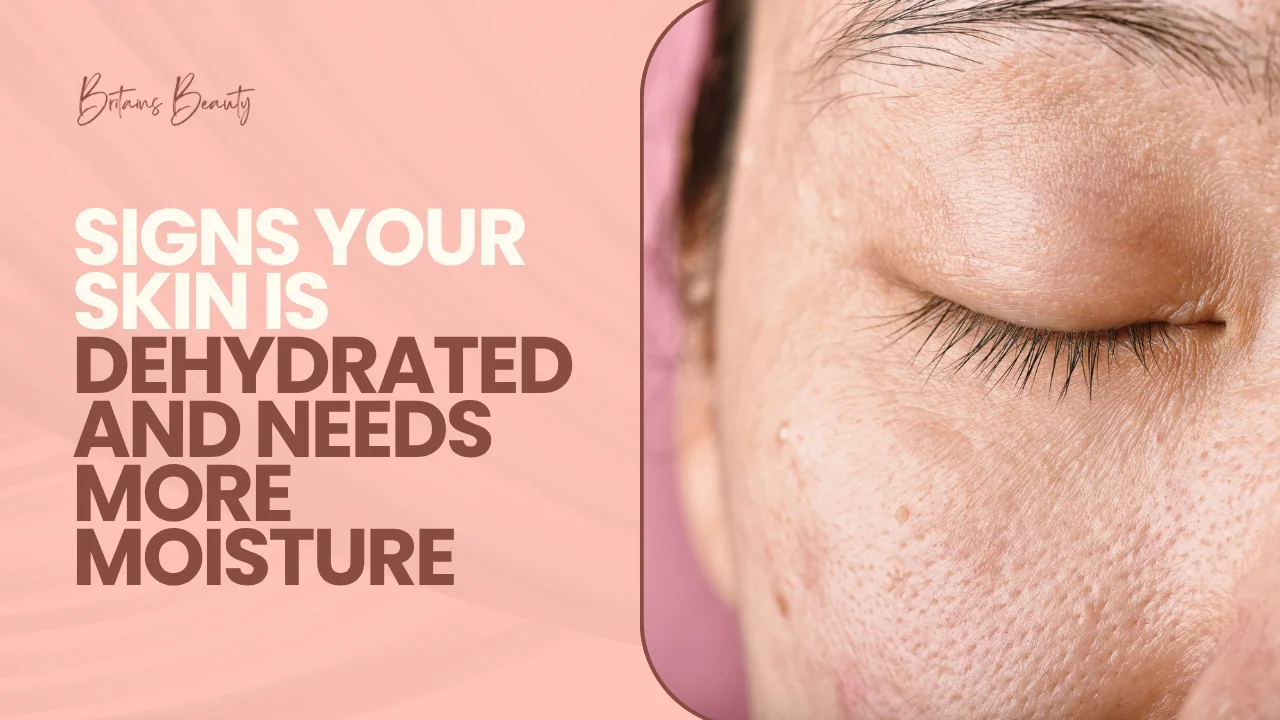
Skin can look shiny but feel tight, appear dull even after a full skincare routine, or cause foundation to cling to areas that were smooth just a week ago. When this happens, you might think you have “dry skin.” However, your skin may actually be dehydrated, which means it can’t hold enough water.
It’s important to recognise the signs of dehydrated skin because it can affect all skin types: oily, combination, dry, and even acne-prone skin can become dehydrated. The fix isn’t always to grab the heaviest cream. Instead, you need to understand your skin’s hydration needs, figure out what causes water loss, and create a routine that adds moisture without overwhelming your skin.
Common signs of dehydration, causes of it, and practical solutions to restore moisture matter. Hydrating serums, moisturisers, facial oils, and sun protection can all help in an effective skincare routine.
Dehydrated Skin Is Not Always Dry Skin
It’s important to know the difference between dry and dehydrated skin. Many people use these terms as if they mean the same thing, but they don’t.
Dry skin has low levels of natural oils, while dehydrated skin lacks enough water. Anyone, even those with oily skin, can have dehydrated skin. This makes it confusing because your forehead might feel oily, but your cheeks could feel tight and uncomfortable. Your face can also look dull with fine lines, even if it feels oily.
Even skin that doesn’t seem dry needs extra hydration. The outer layer of your skin helps keep moisture in and protects against the environment. If this barrier is damaged, water can escape, leading to dryness and discomfort.
Moisturisers work in different ways. Some ingredients attract water, others smooth out skin cells, and some help keep moisture in. A good hydration routine often combines different types of ingredients instead of just focusing on one.
If your skin often feels uncomfortable even after moisturising, check for signs of dehydration. This can help you decide if you need to focus more on hydration.
Sign 1: Your Skin Feels Tight After Cleansing
A tight, stretched feeling right after washing your face is a sign of dehydration.
Cleansing should remove oil, sunscreen, makeup, and daily dirt without making your skin feel tight. If you feel like you need moisturiser just after drying your face, your cleansing method might be too harsh.
Several factors can cause this issue. Using hot water, cleansing for too long, washing too often, or using a harsh cleanser can worsen the problem. Mixing a strong cleanser with exfoliants or irritating ingredients can also make your skin uncomfortable.
To help dry or dehydrated skin, rethink your cleansing routine. Use lukewarm water and choose a gentle cleanser for your skin type. A “squeaky clean” feel doesn’t mean your cleanser is effective.
After cleansing, apply moisturiser quickly to avoid leaving your skin bare. Hydration is not just about adding moisture; it’s also about preventing moisture loss.
If you still feel tight after switching to a gentler routine or have redness, cracking, pain, intense itching, or a rash, talk to a pharmacist, GP, or dermatologist instead of changing products often.
Sign 2: Your Complexion Suddenly Looks Dull
Dehydrated skin doesn’t always look flaky. Sometimes, it just looks less fresh.
Well-hydrated skin reflects light better, making it look smoother and brighter. When the skin lacks water, it can look dull, tired, or slightly grey.
You might find that your regular skincare routine isn’t giving you the same results. Even after cleansing and moisturising, your skin may still appear dull.
This is when the benefits of hydration are especially clear. Keeping your skin moist can improve its softness, smoothness, and plumpness, making your face look fresher.
However, dull skin doesn’t always mean you need to exfoliate more. A common mistake is to start using stronger exfoliants right away. If your skin is dehydrated or your skin barrier is damaged, exfoliating too much can make things worse.
Instead, focus on hydration first.
A hydrating serum can help between cleansing and moisturising. For example, hyaluronic acid is a popular ingredient in skincare because it can attract water. Research shows that it can improve skin moisture levels.
For those following a skincare routine, products like Hyaluronic Acid Serum or Pure Hyaluronic Acid Serum can be great options for hydration.
Remember, don’t chase after instant shine. Instead, aim for a consistent routine that supports your skin every day.
Sign 3: Fine Dehydration Lines Look More Obvious
Dehydrated skin often shows very fine lines more clearly. These lines aren’t permanent wrinkles. Skin changes throughout life, and expression lines are normal. However, dehydration can make these lines look worse because dry skin doesn’t have the plump, smooth look of well-hydrated skin. You may notice this around your eyes, forehead, or upper cheeks.
After using moisturiser, your skin may look smoother again. This can be a hint that hydration affects how your skin looks. That’s why many people looking for ways to hydrate dry skin often find humectant serums helpful. Ingredients like hyaluronic acid can draw water to the skin’s surface when used in a good skincare product. Hyaluronic acid is popular in cosmetics because it attracts water.
A hydrating serum shouldn’t replace moisturiser. Think of your skincare routine in layers. A light serum focuses on hydration, while moisturiser keeps your skin soft and prevents moisture loss. Depending on your skin type and climate, a facial oil can be a helpful finishing step.
Beauty shoppers in Britain can check out the Serums collection for water-based treatments and the Oils collection for richer finishes. It’s important to note that facial oils mainly provide lipids, which can help soften skin and reduce moisture loss, but they don’t add water. So, applying oil to very dehydrated skin without addressing hydration may not fix the problem.
Sign 4: Your Skin Is Oily and Dehydrated
The idea that “oily skin cannot be dehydrated” is a common myth. Oil and water are different in the skin. Just because your skin makes a lot of oil doesn’t mean it has enough water. Oily skin can still feel tight or rough, even when it looks shiny.
This can lead to a frustrating cycle. You see excess oil, so you wash your face more. Your skin feels tight, making you think the cleanser worked. A few hours later, your skin shines again, so you clean or use oil-control products. But the dehydration underneath still exists.
If this sounds like you, preventing dehydrated skin might mean doing less. Instead of skipping moisturiser, choose a lightweight one. Look for comfortable textures, use a gentle cleanser, and avoid mixing too many exfoliating or oil-control products.
A hydrating serum can help oily skin add moisture without using heavy creams. For example, Britain Beauty’s Pure Hyaluronic Acid Serum is a great option for adding hydration. Another choice is Britains Beauty 5+ Vitamin Concentrated Serum. Since different serums serve different needs, always check the ingredient list and instructions to ensure the serum fits your skin.
The goal is balance, not removing all the oil from your face.
Sign 5: Makeup Suddenly Looks Patchy
Your foundation can show signs of dehydration before you notice it in the mirror. When your skin is dry, makeup like foundation, concealer, and powder may not apply evenly. It can cling to areas like your nose and cheeks, highlight fine lines, or separate during the day. This doesn’t mean your foundation is the problem; it’s likely an issue with your skin underneath.
A good daily skincare routine can help your makeup look better by preparing your skin instead of just covering rough patches. Start with a gentle cleanser, then use a hydrating product, and apply a moisturiser suited for your skin type. Let your skincare absorb before putting on makeup, and finish with broad-spectrum sunscreen during the day.
Avoid piling on layers of products like serums and oils just because your makeup looks dry. Too many layers can cause your makeup to clump or separate. Try a simpler routine instead. If a hyaluronic acid serum feels sticky, use less instead of adding more. Follow the instructions for your specific products.
When your skincare and makeup work together, it’s easier to achieve a hydrated look. This section of Britain Beauty also connects skincare, serums, oils, and makeup, showing how skin prep affects your makeup finish.
Sign 6: Your Skin Feels Rough or Flaky
Texture is an important sign of hydration.
When skin is dehydrated, it can feel rough. Some may notice small patches, while others might see flaking around the nose, chin, forehead, or cheeks. But be careful; flaking can also happen due to dry skin, irritation, over-exfoliation, or certain skin conditions. So, if symptoms persist or are severe, don’t just keep adding cosmetic products.
For mild dehydration, simplify your routine.
If your skin feels irritated, stop unnecessary exfoliation. Use a gentle cleanser and add a basic hydrating product, followed by a moisturiser. Good moisturising tips for dry skin also work for dehydration. Moisturiser is best used as part of a complete routine that protects the skin barrier, not just as a fix after using harsh products.
If your skin needs extra nourishment, consider a facial oil.
This can be applied after moisturiser, especially at night. Oils are great for those who prefer a richer feel or experience dryness in cold weather. Use facial oils as an optional step instead of suggesting that everyone needs one.
Keep in mind: more products don’t always mean more hydration.
A few carefully chosen products used consistently are often better than a long routine where it’s hard to tell what’s helping or irritating your skin.
Sign 7: Your Skin Becomes More Sensitive Than Usual
Dehydration or a weak skin barrier can suddenly increase sensitivity. Products that felt fine before may start to sting. Your face might feel warmer after washing, and areas like your nose and cheeks may react more.
Not every sensitivity episode is due to dehydration. Skin can react for various reasons, including irritation, allergies, and skin conditions. If sensitivity begins after using multiple exfoliants, retinoids, or strong cleansers, it’s time to reevaluate your skincare routine.
Trying to tough out ongoing irritation is not a good approach. Cut back on active products and focus on cleansing, hydrating, moisturising, and using SPF during the day. Once your skin feels comfortable again, you can slowly reintroduce other products one at a time.
When choosing serums during this time, carefully check the ingredient lists. Don’t rely on claims like “glowing” or “powerful.” For example, Britain Beauty’s Salmon DNA Gold Ampoule might be interesting for those looking for specialised formulae, but its suitability depends on the specific formulation and your skin’s tolerance.
Patch testing new products before using them widely can be helpful, especially if your skin is sensitive. Knowing when to simplify your routine is key to keeping your skin hydrated throughout the day.
What Actually Causes Dehydrated Skin?
Knowing the visible signs makes it easier to understand why skin gets dehydrated. There’s often no single cause; daily habits can lead to more water loss or upset your skin’s balance.
Common causes include:
- Over-cleansing
- Hot showers or face washing
- Harsh or unsuitable cleansers
- Frequent exfoliation
- Overusing strong skincare products
- Cold weather
- Dry heating indoors
- Air conditioning
- Low humidity
- Not adjusting skincare for the seasons
- Skipping moisturiser because of oily skin
- Using a routine that irritates your skin
The British weather makes this even more important. Moving between cold, windy outdoor conditions and warm indoor spaces in winter can change how your skin feels compared to warmer months.
Your skincare routine should not stay the same all year. In winter, you might prefer a richer moisturiser or add an emollient layer. In summer, the same person might opt for a lighter moisturiser.
Someone who works in a cool, air-conditioned setting may need a different routine than someone who spends most of the day outside. This flexible approach is much better than thinking there is only one “correct” skincare routine.
How to Hydrate Skin Properly
A good hydration routine has three main goals: keep your skin clean without stripping away essential oils, add water to your skin’s surface, and help lock in that moisture.
Step 1: Cleanse Gently
Pick a cleanser that matches your skin type and use lukewarm water. If you wear makeup or waterproof sunscreen, try double cleansing at night, but don’t scrub too hard.
Step 2: Apply a Hydrating Serum
This is where products with humectants shine, like hyaluronic acid. This ingredient is known for its ability to retain moisture, and studies show it can improve hydration. For a good choice, try Britain Beauty’s Hyaluronic Acid Serum. Follow the application instructions on the label; applying more doesn’t mean better results.
Step 3: Use a Moisturiser
Serums and moisturisers are not the same. A moisturiser combines humectants, emollients, and occlusive ingredients to keep your skin hydrated and comfortable. Choose a texture that suits your skin — lightweight for oily skin, richer creams for dry skin.
Step 4: Consider Facial Oil
Facial oil is optional. If your skin needs it, add a few drops later in your routine to help reduce dryness. Check out Britain Beauty’s Oils collection if you want to try this step.
Step 5: Wear Sunscreen During the Day
UV protection is crucial for daytime care. Always finish your morning routine with a broad-spectrum sunscreen and follow the instructions for applying and reapplying it.
The Ideal Daily Skincare Routine for Hydrated Skin
Consistency is more important than complicated routines. A daily skincare routine for hydrated skin can be simple.
Morning Routine
- Gently cleanse or rinse your face, based on your skin’s needs.
- Apply a hydrating serum with hyaluronic acid.
- Use a moisturiser that suits your skin type.
- Don’t forget broad-spectrum sunscreen.
For Britain Beauty products, the serum stage is best for products like Hyaluronic Acid Serum. You can also try the 5+ Vitamin Concentrated Serum, but choose based on your skin goals.
Evening Routine
- Remove makeup and sunscreen thoroughly.
- Cleanse gently.
- Apply a hydrating serum or ampoule.
- Use a moisturiser.
- Add facial oil if you like.
For the evening, you can use products like the Salmon DNA Gold Ampoule as a serum, and consider adding oils if you want an extra step.
Notice what’s not in this routine: many different acids, multiple masks, and several serums. You can use additional products if your skin can handle them, but simple hydration typically doesn’t require complexity. Start with the basics and add specialised treatments as needed.
Best Ways to Hydrate Dry Skin Without Overdoing It
When your skin feels very dry, you might want to use many hydrating products. However, this approach can backfire. Using several serums and creams doesn’t always give better results. It can make your routine uncomfortable, cause pilling, and make it hard to find what works for you.
The key to hydrating dry skin is consistency. Start with a gentle cleanser. Use one reliable hydrating product and a moisturiser that feels comfortable. Protect your skin from the sun during the day. Change your routine based on the season and your skin’s needs.
Face masks can be a fun addition for extra hydration. However, they should support your daily routine, not fix it. For example, if your evening cleanser is too harsh and makes your skin dry, using a mask won’t solve the problem. Similarly, adding facial oil won’t fix issues caused by over-exfoliating.
The best skincare routines address the root cause while relieving symptoms.
How to Prevent Dehydrated Skin
Preventing dry skin is easier than fixing it after it feels damaged.
Start by identifying habits that worsen your skin. For some, this means taking cooler showers. For others, it might involve changing their cleanser, exfoliating less, or using moisturiser even if they have oily skin.
Season changes also impact your skin. In cold UK winters, heating, wind, and low humidity can dry it out. You might switch to a thicker moisturiser or use facial oil at night. In summer, you may want lighter products.
The key is to pay attention to how your skin reacts, rather than following strict seasonal skincare rules.
Helpful dehydration-prevention habits include:
- Keep showers and face washes warm, not hot.
- Don’t wash your face too many times a day.
- Add new skincare products slowly.
- Don’t exfoliate just because your skin looks dull.
- Moisturise regularly.
- Choose hydrating products for your skin type.
- Always use sunscreen during the day.
- Change your skincare products with the seasons.
- If you have ongoing irritation, reduce your products instead of adding more.
- Stick to a new routine long enough to see how it works.
These habits help keep your skin hydrated all day without needing to apply products repeatedly.
Why Hyaluronic Acid Is So Popular for Hydration
Hyaluronic acid is a key ingredient for hydration in skincare. It naturally occurs in the body and attracts water, making it effective for moisturising the skin. Research shows that its main use in skincare is for hydration.
Different skincare products may have various forms or weights of hyaluronic acid, meaning not all HA serums work the same way. The overall quality of a product depends on its complete formulation, not just one ingredient. A recent review points out that different forms of hyaluronic acid can act differently in products.
When comparing Britain Beauty’s Hyaluronic Acid Serum and Pure Hyaluronic Acid Serum, don’t just ask which one has more hydration. Instead, look at the full ingredient lists, textures, and instructions to see which one fits your skincare routine better.
It’s also important to note that hyaluronic acid serums and moisturisers aren’t direct competitors. A serum can be used under a moisturiser, with the serum providing hydration and the moisturiser creating a protective layer. Together, they can be very effective for hydrating dry skin, as long as they suit your complexion.
Do Facial Oils Hydrate Your Skin?
Facial oils need a clear explanation because skincare terms often make them sound like they provide more hydration than they really do.
Oil doesn’t contain water, so it doesn’t add moisture to your skin in the same way. Instead, facial oils can make your skin feel softer and less dry. Some oils can help prevent water loss when used correctly in a skincare routine. They are especially helpful for dry or dehydrated skin.
A simple routine might be: Hydrating serum → Moisturiser → Optional facial oil.
This order shows the different purposes of each product instead of expecting oil to solve all moisture issues.
Britain Beauty’s Oils collection fits well in a dehydration routine, especially for those who already use a water-based serum and moisturiser but want a richer finish.
People with combination or oily skin don’t need to avoid oils just because they’re trendy. Use oil based on your skin’s comfort and your personal preference.
Good skincare is about what works for you.
How to Keep Skin Hydrated All Day
Aim to keep your skin hydrated for more than just the first hour after your skincare routine.
If your skin feels uncomfortable later in the day, look at your whole routine instead of rushing to buy a facial mist. Your cleanser might be too harsh, or your moisturiser might not be enough for your skin’s needs. You might also be using too many drying treatments. Weather conditions, heating, or air conditioning may also affect your skin.
To keep your skin hydrated all day, focus on a routine that retains moisture. Start with a consistent morning routine. Use a hydrating serum, then apply moisturiser, and finish with sunscreen.
If your skin still feels dry, try changing one part of your routine at a time. For example:
- Week one: Switch to a gentler cleanser.
- Week two: Check if your moisturiser is thick enough.
- Week three: Cut back on exfoliating if your skin feels uncomfortable.
Making one change at a time helps you understand your skin better, instead of overhauling your entire routine all at once. Remember, hydration is about keeping balance, not just getting the wettest skin right now.
Skin Hydration Benefits for Healthy Skin
Hydration isn’t just for achieving shiny skin; it has a deeper purpose.
Well-hydrated skin feels softer and looks smoother. It also helps maintain the skin barrier’s function.
Research shows that topical hyaluronic acid can improve skin hydration, but results vary based on the product and study design.
These benefits highlight the importance of hydration for anyone interested in makeup, anti-aging, or a simple daily routine.
Don’t wait for dry, flaky skin to start moisturising. A routine that includes gentle cleansing, proper hydration, moisturising, and sun protection is easier to follow than trying to fix irritated skin.
For Britain Beauty customers, this could mean trying Serums for light hydration, Oils for extra moisture, Skincare for daily hydration, and Sun Creams for morning protection.
Each product serves a specific purpose. The best routine combines these purposes effectively.
Hydration Mistakes That Could Be Making Things Worse
Even people with great skincare products can accidentally hurt their hydration goals.
One common mistake is over-cleansing. Another is exfoliating too often when skin looks dull or textured. While exfoliation can help, dry and uncomfortable skin often needs moisture, not more exfoliation.
Using too many active ingredients at once is another issue. For example, combining a vitamin serum, retinoid, exfoliating acid, acne treatment, and brightening treatment can irritate, making it hard to identify the problem.
Common hydration mistakes include:
- Waiting until skin feels very tight to moisturise.
- Thinking oily skin doesn’t need moisture.
- Using very hot water.
- Scrubbing away flakes.
- Exfoliating too much.
- Using too many active products.
- Relying only on facial oil for hydration.
- Frequently changing products.
- Assuming expensive skincare means better hydration.
- Ignoring sunscreen while focusing on serums.
- Using more serum than recommended.
- Expecting results overnight.
Fixing these mistakes can sometimes have a bigger impact than buying new products. For anyone looking for moisturising tips for dry skin, improving the routine is often more important than adding to the shopping list.
When Dehydrated-Looking Skin May Need Professional Advice
You can improve mild skincare dehydration by changing your daily habits. However, cosmetic advice has its limits.
If you have persistent cracking, bleeding, severe itching, swelling, painful skin, a large rash, or unexplained sensitivity, it’s not just dehydration. If you keep experiencing irritation no matter what products you use, get professional help.
A pharmacist, doctor, or dermatologist can tell the difference between normal dryness and conditions that need different treatment. This is important because using more cosmetic products might delay the right care. Skincare should make your skin feel better, not turn into a frustrating trial of irritation.
A Simple Hydration Reset for Overwhelmed Skin
If your bathroom shelf is cluttered with products and you’re unsure what each one does, try a simple routine focused on hydration.
Morning Routine
- Gentle cleanse (if needed)
- Hydrating serum
- Moisturiser
- Broad-spectrum sunscreen
Evening Routine
- Remove makeup/SPF
- Gentle cleanse
- Hydrating serum
- Moisturiser
- Optional facial oil
This routine lays a strong foundation for your skin. If you want to start, choose a serum like Hyaluronic Acid Serum or Pure Hyaluronic Acid Serum. Later, consider the Britains Beauty 5+ Vitamin Concentrated Serum or Salmon DNA Gold Ampoule if they fit your skincare goals.
You can add an oil later if you need extra moisture. Most importantly, pay attention to how your skin reacts.
- Does it feel comfortable after cleansing?
- Is tightness lessening?
- Is makeup applying more smoothly?
- Are dry areas improving?
- Does your moisturiser keep your skin comfortable all day?
These signs are more important than the number of products you have.
Frequently Asked Questions About Dehydrated Skin
Can oily skin be dehydrated?
Yes. Oily skin can be dehydrated. Oil production and skin moisture are not the same. A person can have oily skin but still feel tight or rough.
Instead of using harsh cleansers, try a gentle routine with light hydration.
How long does dehydrated skin take to improve?
Everyone’s skin is different, so there’s no set timeline. Mild dehydration from a poor cleanser or weather change may improve quickly. More serious dryness might take longer and may need professional help. Focus on being consistent rather than expecting quick fixes.
Should I use hyaluronic acid every day?
Many hyaluronic acid products can be used daily, but always follow the instructions on your specific product. If you notice irritation after starting a new product, stop using it and reassess. Don’t feel pressured to keep using something just because it’s popular.
Is moisturiser enough for dehydrated skin?
Sometimes, yes. Others may prefer using a hydrating serum under their moisturiser. The best method depends on your skin type and the moisturiser used. A complicated routine is not always better.
Does drinking more water fix dehydrated facial skin?
Staying hydrated is important for health, but drinking more water doesn’t always solve skin dehydration. Your cleansing habits, skincare products, environment, and skin barrier also affect moisture retention.
Can face masks help dehydrated skin?
Hydrating face masks can be a nice addition when your skin feels dry. They work best with a good daily routine, not as a replacement for moisturiser or a solution for harsh cleansers.
Should I use serum or facial oil first?
Use water-based serums before moisturiser, and apply facial oil afterwards if desired. Always check product instructions, as they can vary.
What is the fastest way to improve dehydrated skin?
Instead of looking for a miracle ingredient, address the main causes of dehydration first. Stop using harsh cleansers, minimise irritation, and use a proper moisturiser and a simple hydrating serum. It’s often better than trying several new products at once.
Give Your Skin Water and Help It Keep It
Recognising dehydrated skin can change your routine. Signs like tightness after washing, dullness, fine lines, patchy makeup, rough texture, and a mix of oiliness and dryness mean your skin needs more moisture.
The answer isn’t always a heavy cream. To understand why your skin needs hydration, consider your cleansing method, the products you use, the weather, how often you moisturise, and how well your routine keeps moisture in.
To hydrate your skin properly, start with simple steps. Use a gentle cleanser. Add a hydrating product if needed. Apply moisturiser. Use facial oil only if it helps your skin. Protect your skin from the sun during the day.
The best ways to hydrate dry skin and maintain moisture are often straightforward. Pay attention to how your skin feels, keep your routine steady, and focus on both moisture retention and hydration.